


Middle-India Archive

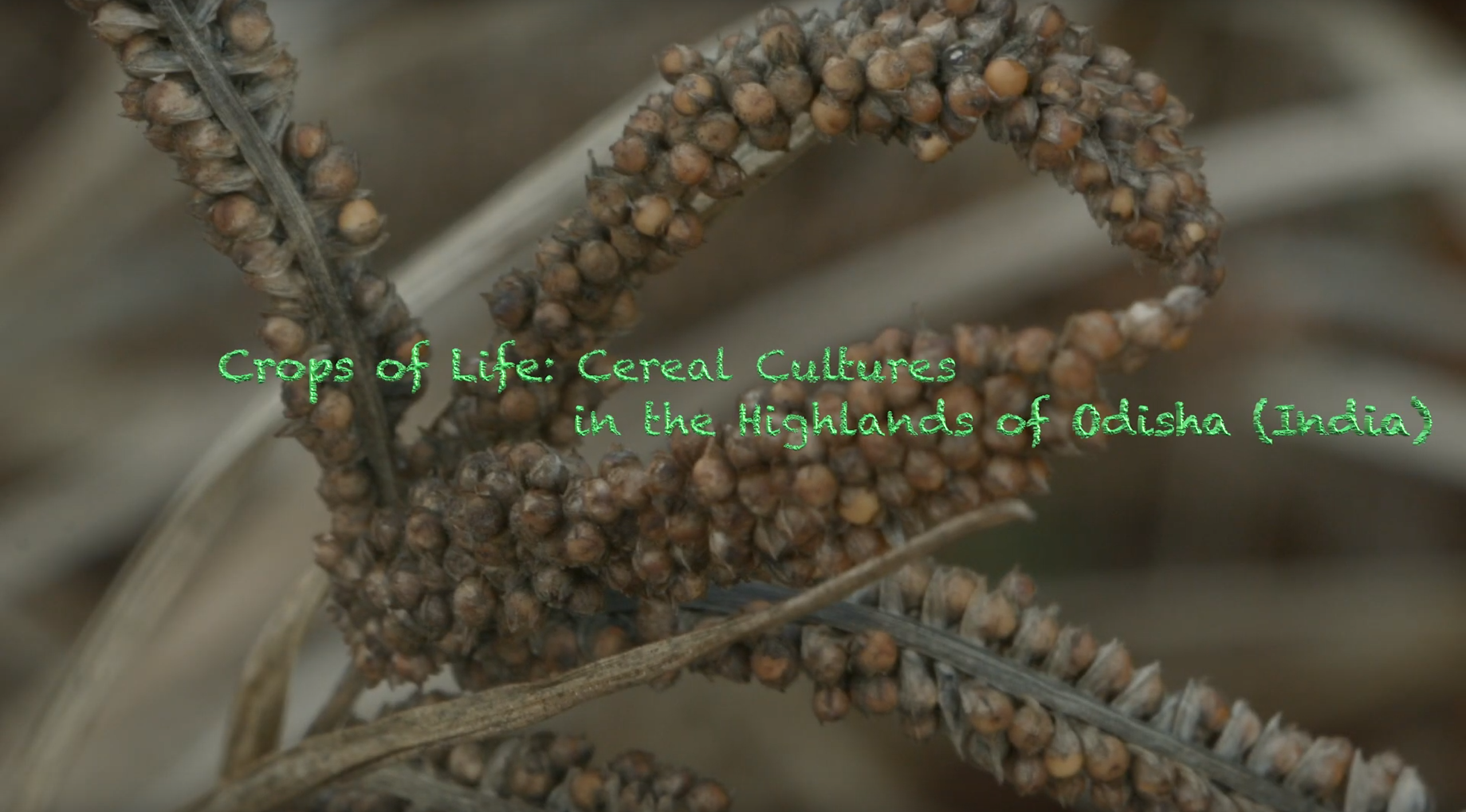
Crops of Life: Cereal Cultures in the Highlands of Odisha (India)
Forum
Researchers
Here you can find a number of selected biographies of scholars who have conducted or are currently conducting ethnological or indological studies on Middle-India.
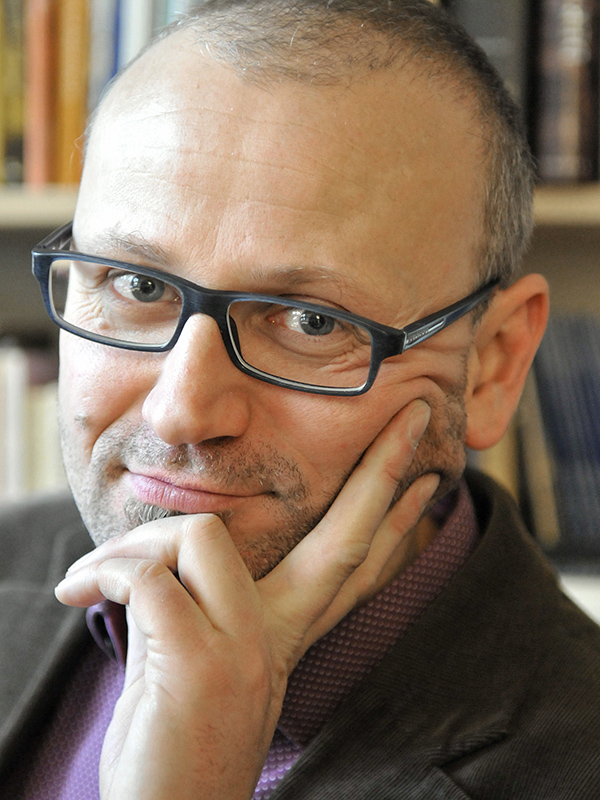 Photo: Elmer SpaargarenPeter Berger studied ethnology, sociology and religious studies at the Free University of Berlin from 1993 till1998 and received his doctorate in ethnology in 2004. From 1999 to 2007, he was a lecturer and research assistant at the Institute for Ethnology at the Free University of Berlin. Since 2007 he has been a lecturer for Indian religions and ethnology of religion at the Faculty of Theology and Religious Studies at the University of Groningen in the Netherlands. There he headed the Department Comparative Study of Religion (2014-2019) for six years. In addition, he was Research Consultant at the University of London (SOAS, 2010), Visiting Professor at the University of Zurich (2012), Visiting Fellow at the Center for Advanced Studies at LMU Munich (2015) and will be Visiting Professor at the Indian Institute of Technology (IIT) in New Delhi in 2021/22.
His research interests include socio-cultural anthropology, the theory and history of anthropology, ethnology of religion and indigenous religions. Related to this, he is particularly concerned with issues of values, cosmology, ritual, food, agriculture, death, and cultural and religious change. His regional expertise focuses on India, especially on the tribal societies (Adivasi) of Odisha.
In cooperation with the director of the Frobenius Institute Roland Hardenberg, Peter Berger founded the Groningen-Frankfurt Millets Network. This network was founded to bring together scholars from interdisciplinary fields who are interested in studying millet within the framework of their respective subject areas, in relation to socio-cultural contexts, region and history.
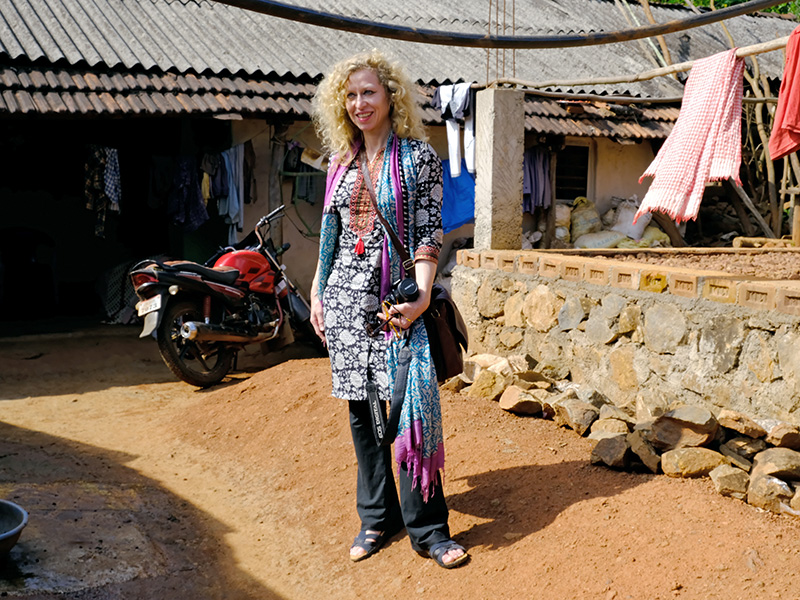 Photo: Nikolas Papandreou
Lidia Guzy studied social anthropology and religious studies at the École des Hautes Études en Sciences Sociales in Paris until 1997. Afterwards she changed to the Free University of Berlin to continue her studies in the major subject ethnology and the minor subjects religious studies and prehistory. Her doctoral thesis, which she completed in 2002, was conducted bi-nationally between these two universities in Berlin and Paris. Subsequently, she became a research associate at the Free University of Berlin within the interdisciplinary DFG priority program Controversial Centers: Construction and Change of Socio-Cultural Identities in the Indian Region of Odisha/India, which took place under the direction of Prof. Georg Pfeffer. In this context, her dissertation included a social anthropological investigation of the new ascetic religion Mahima Dharma in Odisha. Guzy also undertook a three-year research stay in Odisha from 2002 to 2005, under the title Music and Dance Traditions of Sambalpur / Western Odisha. From 2006 to 2010 she conducted research on endangered musical traditions and the role of museums within the research project "From Imperial Museum to Communication Center", which was funded by the Volkswagen Foundation. In 2011 she habilitated at the Free University in Berlin with the topic Marginalized Music. Music, Religion and Politics from the Bora Sambar Region of western Odisha.
Since 2011 Guzy teaches and researches at the National University of Ireland, University College Cork, Ireland.
Guzy's research focuses on South Asia, especially India. Within this framework, she focuses on museum research in South Asia, research on Intangible Heritage/Immaterial Cultural Heritage in India, Hinduism, asceticism and ecstasy research, anthropology of the Indian Goddess, tribal religions, religion and orality, religion and music. She has written numerous scientific papers on these topics. Other research areas include comparative research on indigenous worldviews and cultures in South America (Brazil, Colombia, Mexico and Bolivia), which she is conducting in the framework of the Marginalised and Endangered Worldviews Study Center at the National University of Ireland, University College Cork, and has been heading since 2013.
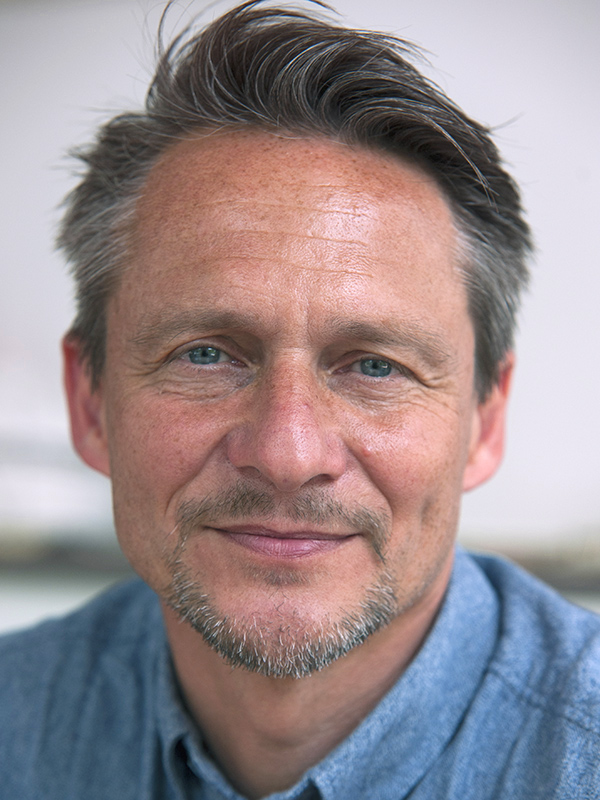 Foto: Frobenius Institut
Roland Hardenberg has been researching in Odisha, India, since 1995. His first research was on the Gajapati kingship and the renewal (nabakalebara) of the main gods of the Jagannatha Temple in Puri, Odisha. From this research two monographs have emerged: Hardenberg, Roland. König ohne Reich: Rituale des Königtums in Orissa (Indien). [King without a kingdom: Rituals of royalty in Orissa (India).] Berlin: Schiler Verlag, 2008 and Hardenberg, Roland. The Renewal of Jagannatha's Body. Ritual and Society in Coastal Orissa. 2011. He then spent several months at Sambalpur University in West Odisha as part of a DAAD project before he started exploring the mountainous regions in the southern highlands of Odisha together with Georg Pfeffer in 2000. From 2001 to 2003 he conducted research on the Dongria Kond in the Niamgiri Mountains of the Rayagada District of Odisha, India, as part of the DFG priority programme [Schwerpunktprogramm] "Contested Centers: Construction and Change of Socio-Cultural Identities in the Indian Region of Orissa" [Umkämpfte Zentren: Konstruktion und Wandel sozio-kultureller Identitäten in der indischen Region Orissa]. His research focused on the complex marriage rituals and buffalo sacrifices to the earth goddess. This resulted in a habilitation thesis, for which the Westphalian Wilhelm University of Münster awarded him the Venia Legendi for Social and Cultural Anthropology [Ethnologie] in 2006. The work was published in 2018 under the title "Children of the Earth Goddess: Society, Marriage, and Sacrifice in the Highlands of Odisha (India)" in Boston/Berlin by DeGruyter Publisher. Since 2006, Roland Hardenberg has also been involved in research on Central Asia, and from 2007 to 2008 he conducted a one-year field research on the burial culture in northern Kyrgyzstan. From 2009 to 2016, Roland Hardenberg was director of the Institute of Social and Cultural Anthropology in Tübingen, declined a call to the Free University in 2010 to succeed Georg Pfeffer, and in 2016 succeeded Karl-Heinz Kohl as professor of social and cultural anthropology at the Goethe University Frankfurt and from 2017 as director of the Frobenius Institute. In recent years, Hardenberg has been working on religious resources in South and Central Asia, especially in the context of the Collaborative Research Center 1070, focusing on religious institutions (mosques, shrines and temples) and religious specialists (imams, Hindu preachers and pastors) and their speeches. Since 2018 he has also been intensively involved with cereals (millet and rice) in the Odisha highlands together with Peter Berger and René Cappers from the University of Groningen and is co-founder of the Groningen-Frankfurt Millet Network.
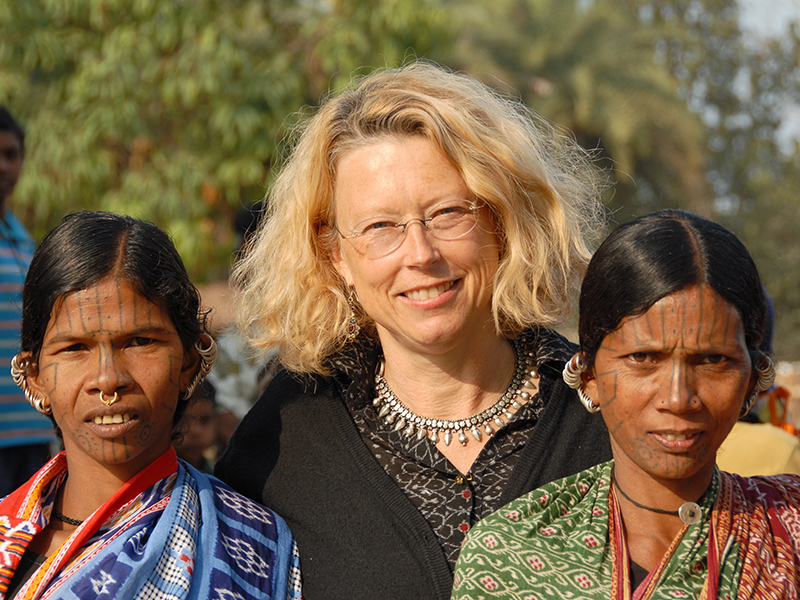 Photo: Cornelia Mallebrein
Cornelia Mallebrein studied Indology, Indian Art History and Ethnology at the Universities of Munich, Göttingen and Tübingen where she graduated in 1994 with a doctorate. Several DFG research projects followed: 1995 - 1997 the study 'Comparative Studies on the Cult and Iconography of House, Family, Clan and Ancestor Deities in Central India', followed by a six-year DFG project on rural and tribal religious traditions in Odisha from 1999 - 2005. From 2009 - 2011 she did research at the University of Konstanz on the topic of conversion efforts in India and their consequences.
Her research focuses on rural and tribal India with emphasis on religious and artistic traditions and cultural change through conversion. The regional focus is on Central India and Odisha. As part of her academic activities, she has undertaken several research trips to India each year since the beginning of her studies. As a guest curator, she has presented her results to a broad audience in numerous exhibitions, especially in Germany, Switzerland, and in numerous cities in India and the USA. In 2012 she was awarded with the Federal Cross of Merit in recognition of her many years of social commitment and the promotion of intercultural exchange between Germany and India.
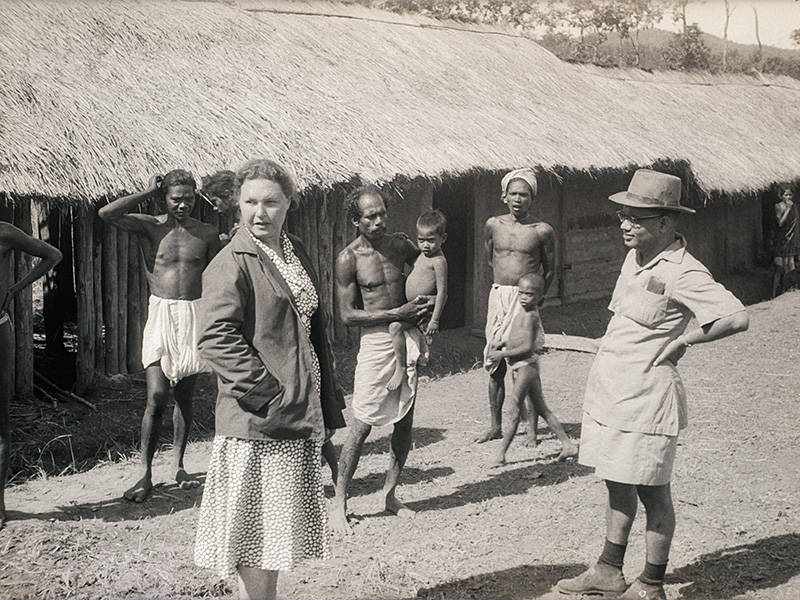 Foto: Frobenius Institut
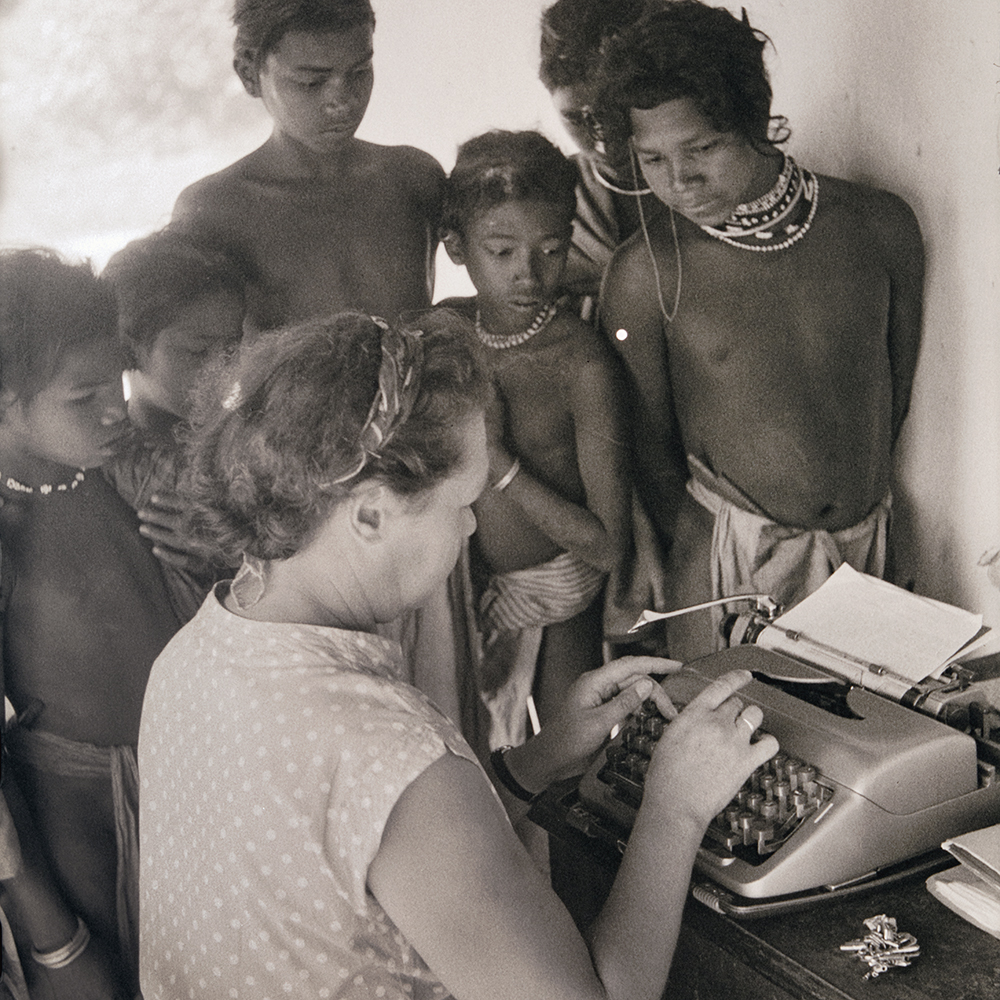
Else Niggemeyer accompanied her husband Hermann Niggemeyer on his research trip to the Kuttia Kond in Central India. During the trip she regularly wrote a diary, helped her husband with his ethnological work and took photographs. She herself has probably never published publicly, but her diaries provide information about the time she spent with her husband in India and the ethnological methods they used there.
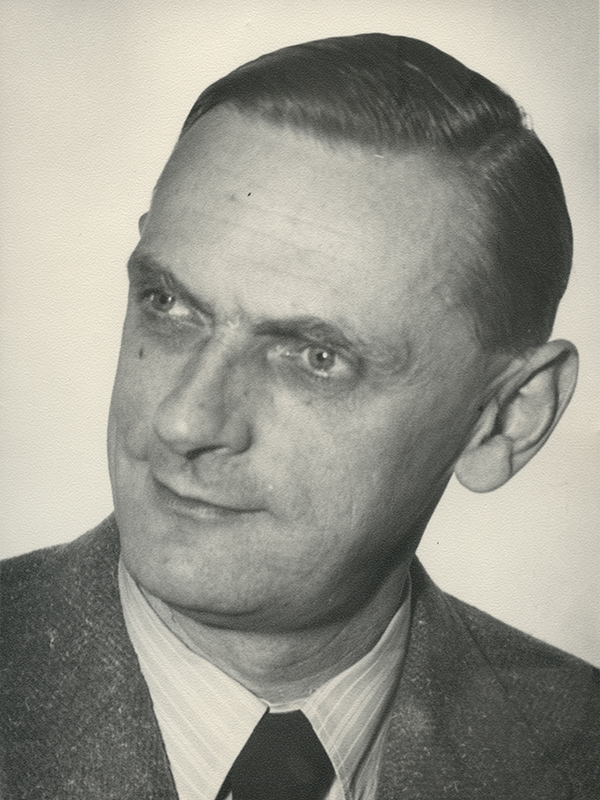 Photo: Frobenius Institut
Hermann Niggemeyer was born in 1908 in Münsterland. After graduating from high school, he began studying geography and anthropology in Cologne and graduated in 1932 with a doctorate. After a brief period of work in Vienna, he accepted an assistant position at the Frobenius Institute in Frankfurt am Main in 1934. In 1937, Niggemeyer participated in a research project on the Mokkulen, an Indonesian archipelago, under the direction of Adolf Ellgard Jensen. Here he was particularly concerned with the prevailing myths of the island societies. Between 1940 and 1945, the ethnologist was appointed to the military service of World War II, where he was a prisoner of war until 1947. After he was freed, he came back to Frankfurt am Main and began to work in the Museum für Völkerkunde (now the Weltkulturenmuseum). Three years later, he and his wife Else Niggemeyer undertook joint field research in India, where they stayed mainly in Kuttia Kond, in the highland regions of Odisha. There they researched the forms of economy and the cults and ceremonies of the population connected with it. In 1966, Niggemeyer was appointed director of the Ethnological Museum, succeeding Carl August Schmitz. He held this position for six years until he retired. Hermann Niggemeyer died in 2005. Many photos and objects from his expeditions have been preserved in the collection of the Frobenius Institute and the Weltkulturenmseum.
 Photo: T. Otten
Tina Otten studied Ethnology, Ancient American Studies and Psychology at the Free University of Berlin. With the title Healing through Rituals. On how to deal with disease in the Rona people of the Orissa highlands, India, She received her doctorate in 2003. Subsequently, Otten worked as a lecturer at the Ruhr University in Bochum, the Free University Berlin, the Westphalian Wilhelms University Münster and other institutions in Germany. Tina Otten is currently a freelance lecturer.
Her scientific research interests are concentrated in the Indian region, with a special focus on Odisha's tribal areas. In these regions she works on topics related to social structure and globalization, oral traditions in India, gender and health, ritual and social structures, recent ethnographies of Central India and medical ethnology. Since 1997, she has repeatedly undertaken long-term research stays in the Indian highlands to study these topics. Together with Georg Pfeffer and Edward Simpson, she worked on several projects in Odisha, which included producing a documentary film about the changes in social life in Bisipada, Odisha, India.
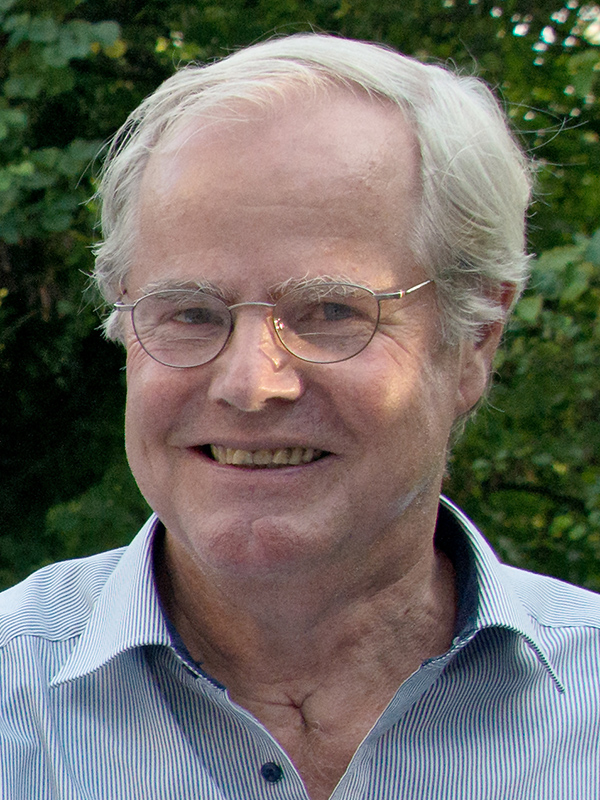 Photo: Frobenius Institut
Georg Pfeffer was born in Berlin on January 17, 1943, the son of a German sociologist and a British teacher. At the age of sixteen he moved with his parents to Lahore in Pakistan, where they lived from 1959 to 1962 and where he attended Forman Christian College. Back in Germany, he studied ethnology, sociology and history of religion at the University of Freiburg and completed his studies with a doctorate in 1970. He then changed to the University of Heidelberg to habilitate there in 1976. He began working there as a university lecturer and later as professor of ethnology. From 1985 to 2008 he lectured as a university professor at the Freie Universität Berlin. From 1974 to 1976 he also taught as a guest lecturer at Quaid-i-Azam University in Islamabad, Pakistan.
In the course of his academic career, Georg Pfeffer specialized in South Asian Studies with a regional focus on India and Pakistan, especially the regions of Odisha, Sindh and Punjab. Thematically, he researched mainly on tribal societies, kinship, rule and religious ethnology.
He conducted his first ethnological field research among the deportees, a non-Muslim minority in the old town of Lahore from 1968 to 1969. After he had conducted a comparative study in Lahore, India, the results became the subject of his doctoral thesis. Between 1996 and 2006, he supervised the DFG-funded "Orissa Project" at the Institute for Social and Cultural Anthropology of the Free University of Berlin, in the course of which a large number of important research projects were conducted that produced scientifically valuable knowledge about the Odisha region. Pfeffer died on May 20, 2020, after dedicating a large part of his life to the exploration of Central India and bringing his enthusiasm closer to many other ethnologists.
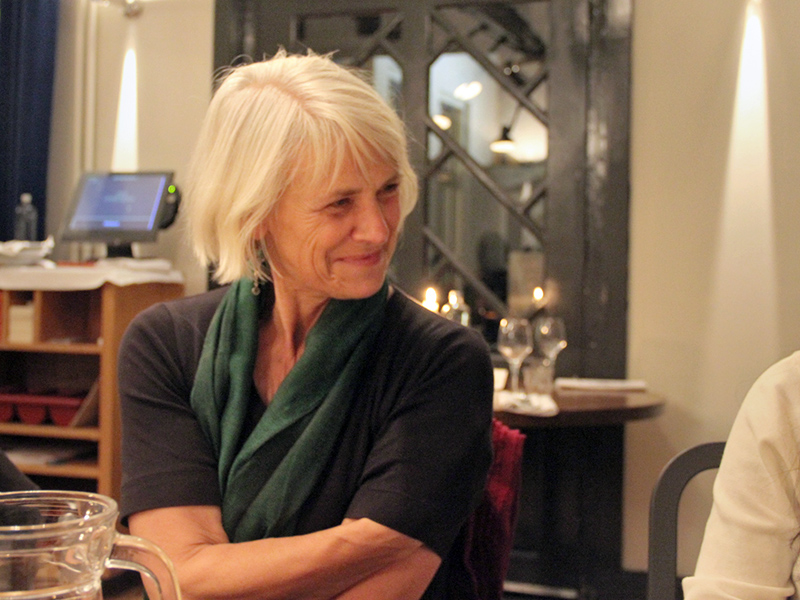 Photo: Jürgen Wolff
Eva Reichel began studying social and cultural anthropology at the Free University of Berlin in 2003, having previously taught at a grammar school for 25 years. She conducted her first field research during her studies. In 2005/06 she stayed in the Indian highlands on the border between Jharkhand and Odisha near the Ho. The results of her research were included in a first book, which was published in 2009 by Manohar/ Delhi/ India under the title "Notions of Life in Death and Dying. The Dead in Tribal Middle India" was published by Manohar/ Delhi/ India. After graduation, she taught as a research assistant at the Institute of Ethnology of the Free University of Berlin and prepared her doctoral thesis under the supervision of Professor Georg Pfeffer. After a long-term study in 2009/2010 and regular further research stays in the highlands of Middle India, she started writing her doctoral thesis in addition to her teaching activities in Berlin. She successfully completed her doctoral thesis in November 2018 at the Johann Wolfgang Goethe University in Frankfurt am Main. Rewritten into a monograph, it was published on August 10, 2020 under the title "The Ho: Living in a World of Plenty. Of Social Cohesion and Ritual Friendship on the Chota Nagpur Plateau, India" by De Gruyter, Berlin/Boston.
Her main research interest is on the Chota Nagpur Plateau as a tribal zone in Central India; especially West Singhum in Jharkhand and Mayurbhanj in Odisha, India. Her research focuses on the Adivasi (first settlers) of the South Asian subcontinent; in particular the Ho, Santal, Munda and other tribal societies settled on the plateaus of Central India. In this region, she conducts research on topics such as kinship and marriage relationships, ritual friendships, communication between the living and the dead, and socio-cultural norms.
Eva Reichel is associate researcher at the Frobenius Institute in Frankfurt am Main and associate fellow at the University of Groningen.
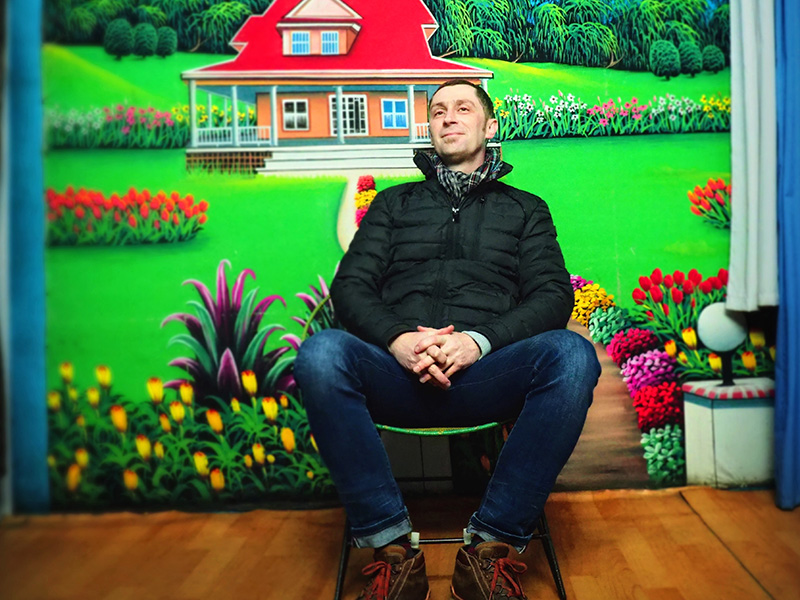 Photo: Thanggoulen Kipgen
Uwe Skoda is Associate Professor of Indian and South Asian Studies in the Department of Global Studies at the University of Aarhus, Denmark. He is currently working on the topic of visual culture, especially photography, and on subjects from the field of political anthropology, especially the transformation of kingship, indigenous societies, Hindu nationalism and domestic politics. Relationships of kinship and social structures are a further field of research.
Uwe Skoda studied ethnology, political science and history in Berlin and London. As part of the DFG-funded Orissa Project, he wrote his doctoral thesis on transitions between the caste and tribal societies in Odisha's highlands, using the example of Aghria - a peasant caste that immigrated to the tribal area. The results of this work were published in 2005 under the title The Aghria - A Peasant Caste on a Tribal Frontier (Delhi: Ma-nohar). In the context of this work, he undertook an 18-month field research in Odisha, India, as a doctoral project and later a further 24-month long-term research in Odisha and Jharkha
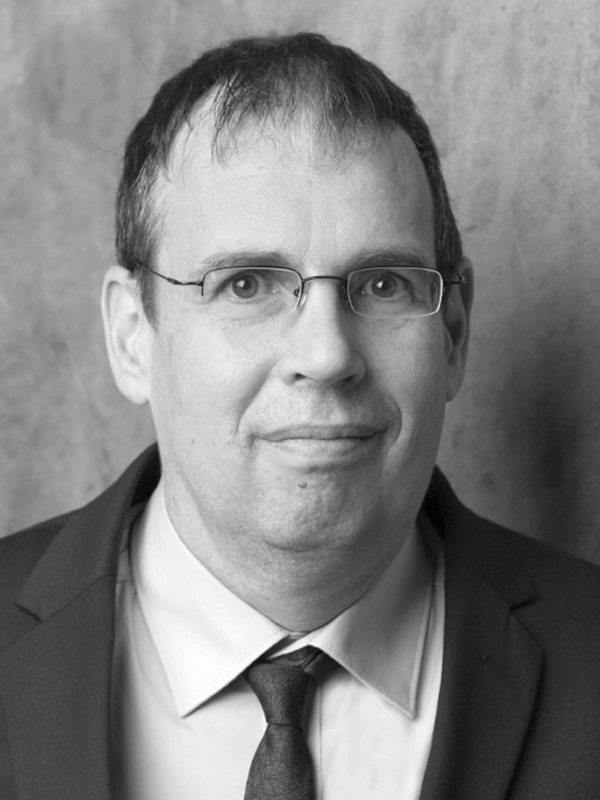 Photo: Nelly Kuhn, FotoKoester Markus Schleiter, born in Darmstadt, Germany, specialized in his academic career on the region of South Asia, especially on the highlands of Odisha. Furthermore he conducted field studies in Kolkata, Jamshhedpur and Rajshahi in Bangladesh. He is engaged in the field of media ethnology, with a focus on the video film industries of South Asia and their cinema films. Furthermore, he deals with the ethnological debate on concepts of indigenousness and indigenous movements, postcolonial studies, cultural concepts and practice theory as well as ethnographic writing and the anthropology of the state. In 2005, he received his doctorate at the Ludwig-Maximilians-University in Munich with a dissertation entitled: The Birhor: Ethnography and its consequences: An Indian "tribe" in the mirror of colonial and postcolonial descriptions. This was followed by teaching positions at the Institutes of Ethnology in Frankfurt am Main and Halle and at the South Asia Institute in Heidelberg. He also worked at the Frobenius Institute, where he had conducted a four-year ethnographic research project on the consumption and production of VCD films and music videos of the indigenous community of the Santal in collaboration with Prof. Karl-Heinz Kohl. In this context he was the team leader in the development of a digital film archive and an online film database of popular Santali films. The project resulted in the publication of the volume Media, Indigeneity and Nation in South Asia, which was published by Routledge under Markus Schleiter's co-editing directorship. He undertook long-term research stays in Odisha, a rural settlement of the Birhor, a formerly nomadic indigenous community in South Asia. In addition, he conducted another long-term multi-sited field study - for example during filming or on village video nights - on the video film industry of the Santal indigenous community in India and the role of these films in the everyday life of indigenous communities. A further aspect of his research deals with governmental development work for indigenous communities in India. In addition, he has studied the colonial context and stylistic devices of ethnographic texts on these population groups.
Currently Markus Schleiter is planning a comparative research project on music videos of the global south and the subcultures in the peripheries of the global media circulation at the Institute for Ethnology in Münster. The research focuses on the understanding of aesthetics and art practices in popular music videos of the global South and East and the question of the extent to which the medium music video can also be seen as a medium of social criticism in connection with changes in its distribution channels as a result of new streaming infrastructures. Furthermore, music videos are to be understood comparatively in terms of articulation and references to local or indigenous meanings of identity concepts and their interactions with popular, transnationally circulated aesthetics - e.g. to what extent does the "hood" in hip hop refer to jaga in India (gullyboy) or kasi in South Africa?
Markus Schleiter is currently a lecturer at the Institute of Ethnology at the Westfälische Wilhelms-Universität Münster, where he is coordinating the international Master in Social Anthropology.
 Photo: Michel Buchmann
Lea Schulte-Droesch first studied ethnology, psychology and public law in Heidelberg, which she later continued at the Free University of Berlin. As part of her doctorate at the Institute for Theology and Religious Studies in Groningen, she undertook field research with the Santal in East Singhum, Jharkhand. Here she investigated rituals for 14 months between 2011 and 2013. Through this focus she came to the topic "place" and analyzed concepts of land, environment and region by means of different ritual complexes.
After completing her doctorate in 2016, she began working on the topic
human-environment relationship in Germany. In this context she worked for two years in the social science research of the Black Forest National Park. She plans to continue to dedicate herself professionally to the interface between environmental protection and society in the future.
Her research interests include rituals, religion as practice, place, human-environment relations and cultural ecosystem services.
 Photo: Maurice Weiss
Christian Strümpell studied ethnology, Roman philology and prehistory at the Westfälische Wilhelms University in Münster. In 2004 he received his doctorate in ethnology from the Free University of Berlin with the dissertation title: Onukadili - An Industrial Settlement as a point of Confluence of pan-Indian social categories. Afterwards he worked alternately as a research associate and research fellow at the Freie Universität Berlin, at the Max Planck Institute for Ethnological Research in Halle an der Saale (2007-9), at the South Asia Institute of the University of Heidelberg (2009-15) and at the research colleague Work and Life in a Global Historical Perspective of the Humboldt University Berlin (2015-6).
Thematically, Christian Strümpell is interested in the fields of economic ethnology (especially production and exchange), political ethnology (especially social movements and state), and social anthropology (especially caste and class). Most of these topics relate to urban South Asia, in particular East India. For his studies he undertook numerous stays in the Indian state of Odisha, where he conducted regular research between 2000 and 2002, first in the industrial settlement of Onukadilli within the Ko-raput district and later, between 2004 and 2014, in the steel city of Rourkela within the Sundargarh district. Beyond the borders of India, he is engaged in research in Dhaka, Bangladesh.
Currently Strümpell is a research associate at the Institute of Ethnology at the University of Hamburg.
Bibliography
Films
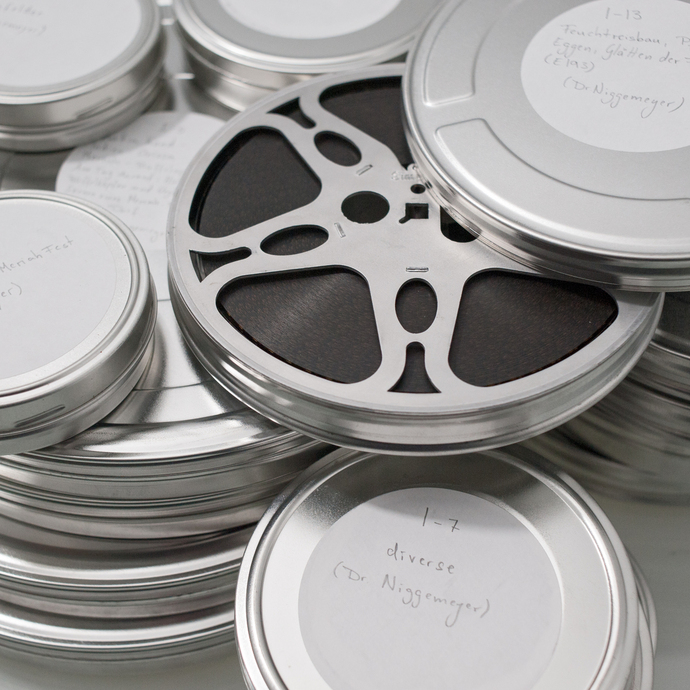
The archive contains film recordings by various ethnologists. In cooperation with Markus Schleiter, who did intensive research on film in the Santal area in India, the Santali Film Database was founded, in which some films of the Santal can be seen.
Furthermore, twelve short films by the ethnologist Herrmann Niggemeyer can be found here. His pictures from the Kuttia Kond area were captured with a Bolex 16mm camera, which was driven by a hand crank.
A short cut of different scenic shots shows Leo Frobenius, as well as his wife and daughter in a short film on their journey through India.
All film sequences are available on request.
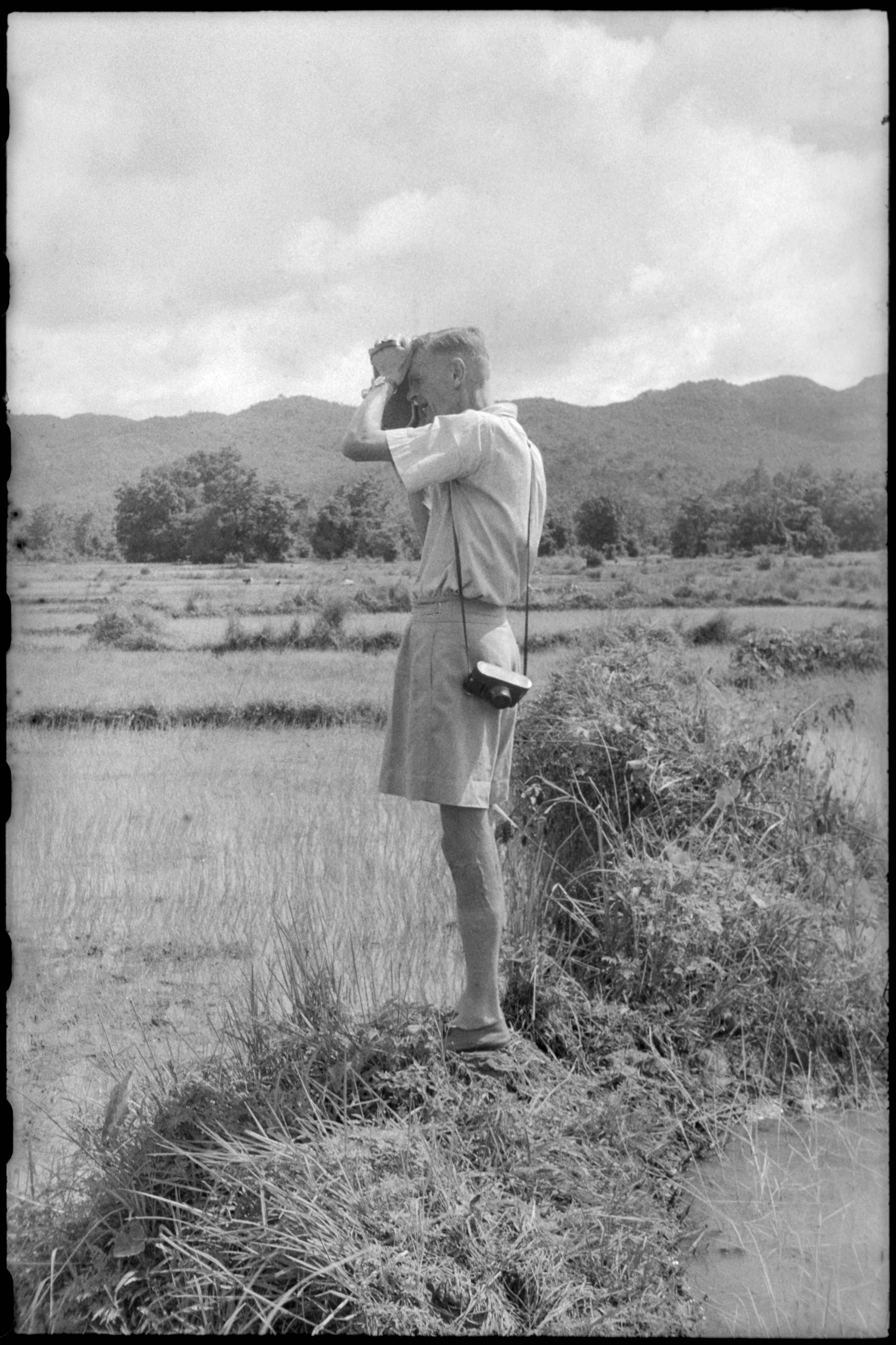 Photo: Frobenius-Institute
Written Legacies
The first research trip to Middle India by staff members of the Frobenius Institute took place in 1955-1956. At that time, Hermann Niggemeyer and his wife Else traveled to Odisha to conduct an ethnographic study amongst the Kuttia Kond. Else Niggemeyer's diaries provide a revealing insight into their studies and their life during research, even outside the scientific framework. In the course of time the Niggemeyer legacy is to be further developed. Furthermore, maps detailing their travel routes on the expedition are available online.
Around 1200 diapositives from the legacy of Prof. Dr. Georg Pfeffer (1934-2020) were gifted to the Frobenius Institute. The diapositives were taken in the decades that Prof. Dr. Pfeffer conducted research in the highlands of Odisha. In the future, the slides will provide an opportunity to explore in more detail the changes in tribal cultures, particularly those of the Kond and the Gadaba.
The indologist and South Asian historian Prof. Dr. Hermann Kulke donated around 400 books about the history, culture, social structure and economy of Odisha from his private collection to the Frobenius Institute, as well as colonial historical documents, such as Settlement Reports from the princely states of Odisha. This academic literature has been included in the Leo Frobenius Library of Cultural Anthropology. Furthermore, the donation includes documents from Prof. Dr. Kulke's research in Odisha, e.g. reports from the Orissa Research Project I (ORP I 1970-1975), which have been added to the Middle India Archive (MIA) of the Frobenius Institute and digitized.
As a legacy, the ethnographic data of Prof. Dr. Roland Hardenberg are currently being added to the Middle India Archive and are available to researchers on request at the Frobenius Institute. The first are the field notes from his research in Puri, Odisha, India, from 1995 to 1996. These field diaries were transcribed by Astrid Hünlich from 2019 to 2020 (proof reading by Alisa Napitupulu) and are available in digital form. The notes include the contents of his participant observations, various sketches, newspaper clippings, and translations of interviews with ritual specialists such as the king's (Gajapati) spiritual advisor (Rajaguru) of Puri, the chief carpenter (Moharana) of the ritual chariots, and a “shapemaker” (Rupakara) who makes the wooden figures for the chariot festival (ratha yatra). In addition, there are the original audio recordings (wav format) of these interviews, as well as a recording of the chants and cheers of the charioteer of the chariot festival, which has historical value in that the obscene statements that were part of the ritual at the time are now banned. Second, the legacy also includes ethnographic data from Roland Hardenberg's research among the Dongria Kond in the Rayagada district of Odisha, India, from 2001 to 2003. The field diaries were already digitally recorded by Roland Hardenberg himself in 2005. The digital version contains the contents of the participant observation as well as numerous sketches and interviews. In addition, there are the audio recordings (wav format) of the songs of the Dongria Kond, which were recorded at various dance events, as well as the recitations of ritual specialists (Bejuni and Jani).
The Frobenius Institute has many years of experience in dealing with scientific legacies. In particular, it has field diaries, scientifically significant correspondence and extensive excerpts. This enables well-founded research in the field of history as well as access to original source material.
The archive is open to estates and legacies of researchers on Middle-India Archive.
The legacies can be viewed in the Legacies Database.
Objects
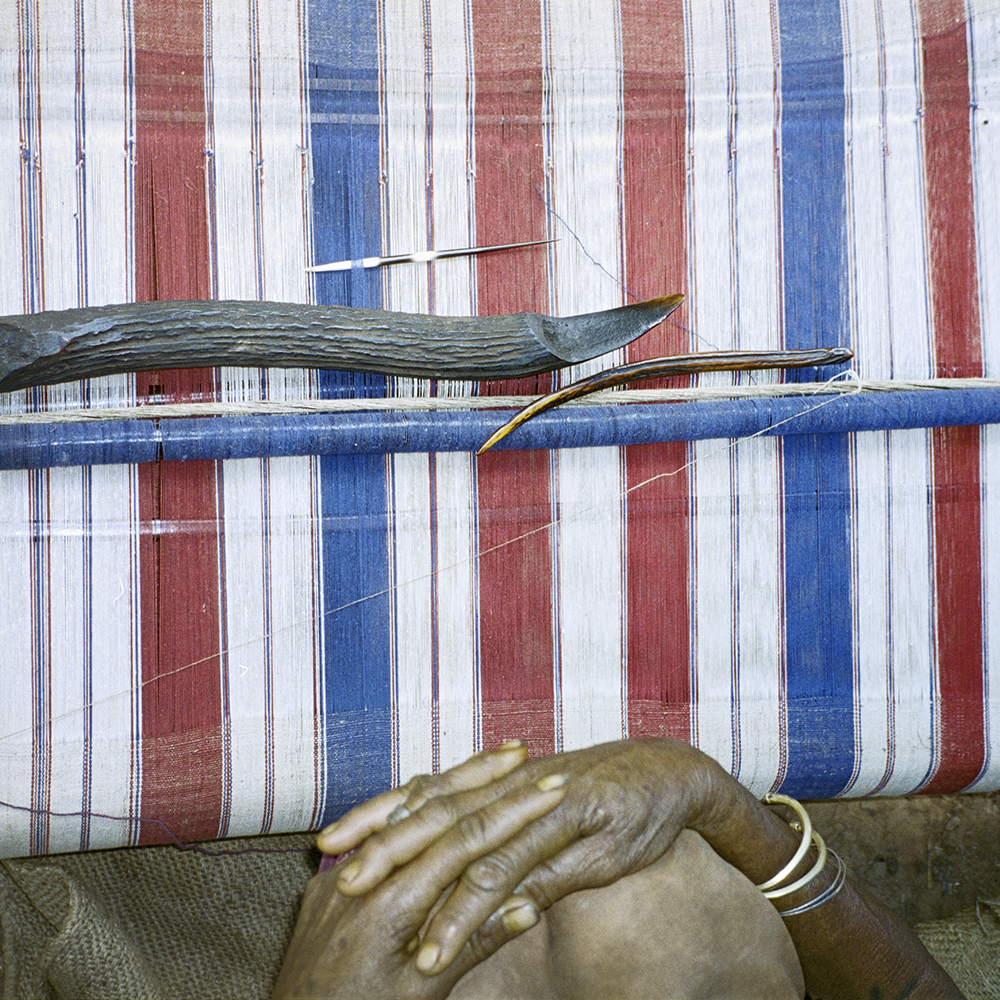
The Niggemeyer couple brought back about 500 objects from their one-year research stay in the Odisha highlands. Some of them are described and drawn in Hermann Niggemeyer's ethnography Kuttia Kond.
Most of the objects brought along are kept in the collection of the Weltkulturen Museum Frankfurt. A selection of them can be viewed here in a photodocumented form.
The photographs of the objects of the Niggemeyer Collection are available via the Image Database.
Photographs
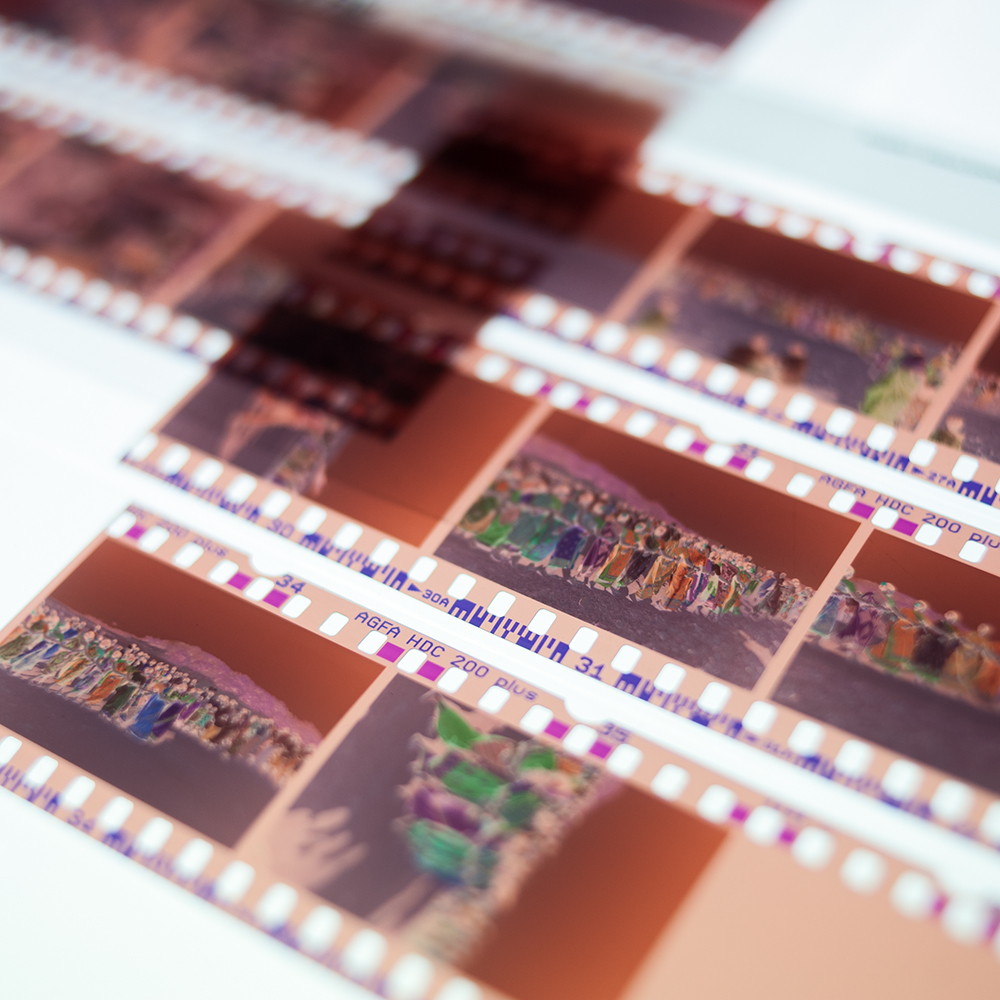
The image database of the Frobenius-Institute contains almost 4000 photos of various expeditions to India, taken in the period from 1955 to the present. The photos were digitalized and processed in the house-own photo laboratory and are thus available in a high-resolution digital form.
Via the image database of the Frobenius Institute, a number of visual documents can be researched that are assigned to the Middle India Archive (MIA). However, some photos are not online for privacy reasons, but can be viewed in person durign a visit to the Frobenius Institute (please contact in advance:
Photo: Frobenius InstituteThe photo collection includes Hermann Niggemeyers's (Frobenius Institute, Frankfurt am Main) photographs from 1955-1956. Most of these nearly 70 photos were taken in the Phulbani district of Odisha (then Orissa) and show Kuttia Kond as well as Pano in various everyday activities as well as at festive occasions, especially at the important buffalo sacrifice (Meria). Many of these pictures are also printed in his major ethnography (1964).
Niggemeyer, Hermann 1964. Kuttia Kond. Dschungel-Bauern in Orissa (Klaus Renner Verlag).
Photo: Frobenius InstituteThe photographic legacy of Georg Pfeffer (University of Heidelberg, since 1995 Free University of Berlin) has also been added to the database of the Middle India Archive. Since the beginning of the 1980s, Georg Pfeffer first made several longer research trips to Odisha, especially to the tribal highlands, and later (until about 2004) almost annually for shorty periods. During this time, he made about 1000 slide images, which were donated to the Frobenius Institute by his family after his death (May 20, 2020). Since 2022, these slides are digitized and entered into the database. The slides show many facets of daily and religious life of various Middle Indian tribal societies (such as Bondo, Dongria Kond, Didaye, Gadaba, Kharia, Koya Gond, Pano) in the Koraput, Rayagada and Phulbani districts. Georg Pfeffer paid speical attention to the documentation of the great ancestral ritual (gotr) of the Gadaba, which he documented, for example, in 1987 and 1988 with numerous photographs. In addition, his legacy also contains photographs from the coastal region of Orissa, where Georg Pfeffer conducted research on the Shasana Brahmins in the 1970s as part of the 1st Orissa Project (DFG funded). Georg Pfeffer almost never published or shared his photographs because he did not consider them to be of high quality. The photographs preserved in the image database of the Frobenius Institute are therefore the only existing evidence of his visual documentation of Middle Indian people.
Pfeffer, Georg 2019. Lewis Henry Morgan's Comparisons: Reassessing Terminology, Anarchy and Worldview in Indigenous Societies of America, Australia and Highland Middle India (Berghahn Books).
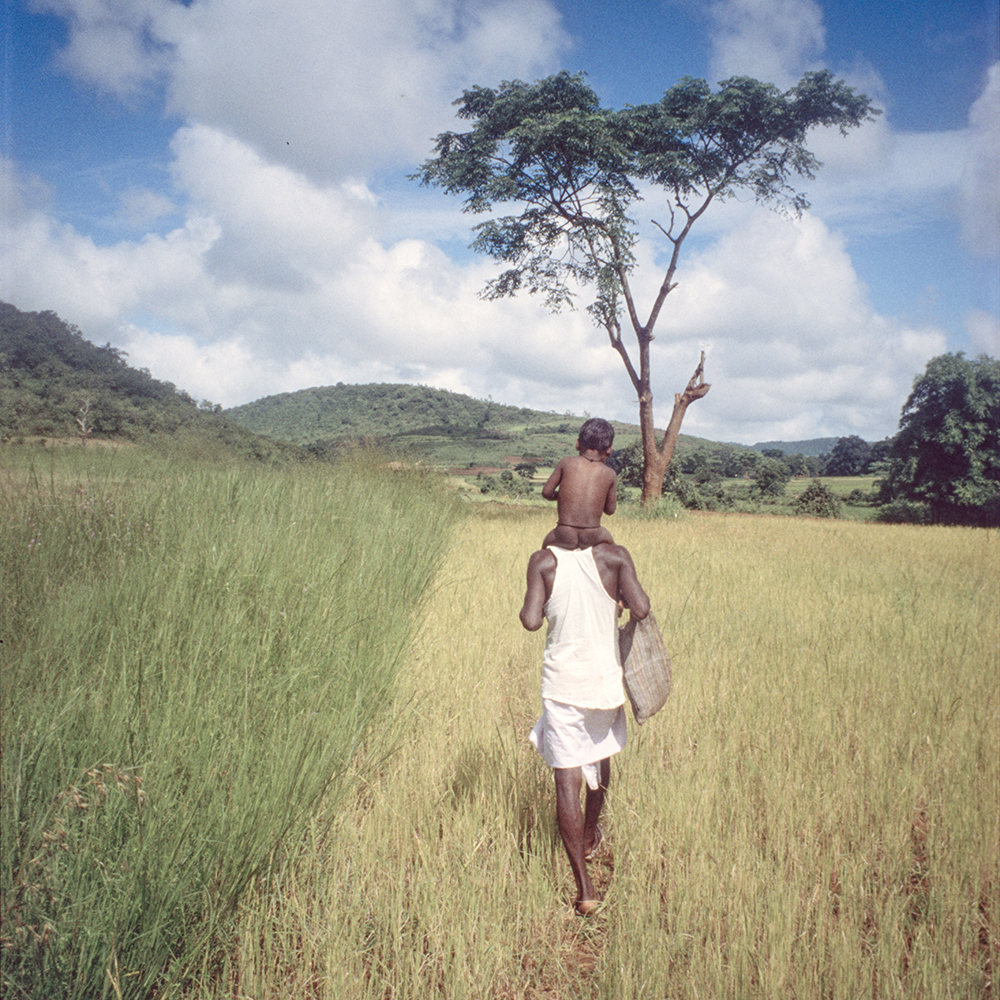
Photo: Elmer SpaargarenThe Middle India Archive of the Frobenius Institute also contains more than 3000 photographs made by Peter Berger (Free University of Berlin, since 2007 University of Groningen) during his research in India during the years 1999 to 2004. Some of the photographs have been taken bei his wife, Amrei Volkmann. Almost all of the images concern the Koraput region of southern Odisha, the tribal area on which Berger's research focuses. The Koraput plateau is part of the Eastern Ghats and various communities are found in this region. Berger especially worked with the Gutob Gadaba, but the images also show members of other communities, such as the Dombo (petty traders, musicians and formally, weavers), Goudo (herders), Mali (gardeners), Rona (cultivators, formally royal militia), Kamar (blacksmiths) and Kumar (potters) as well as other tribal cultivators like the Gadaba, namely Parenga and Joria. The photographs especially document local rituals and festivals but also show many acivities of daily life, for instance economic practices or the building of houses.
Berger's monograph titled Feeding, Sharing and Devouring: Ritual and Society in Highland Odisha, India (de Gruyter 2015) provides detailed ethnographic descriptions concerning the above mentioned topics and communities. The captions of the photographs occasionally also refer to this book ("FSD, page number") to facilitate easy access to the ethnographic data.
Ethnographies
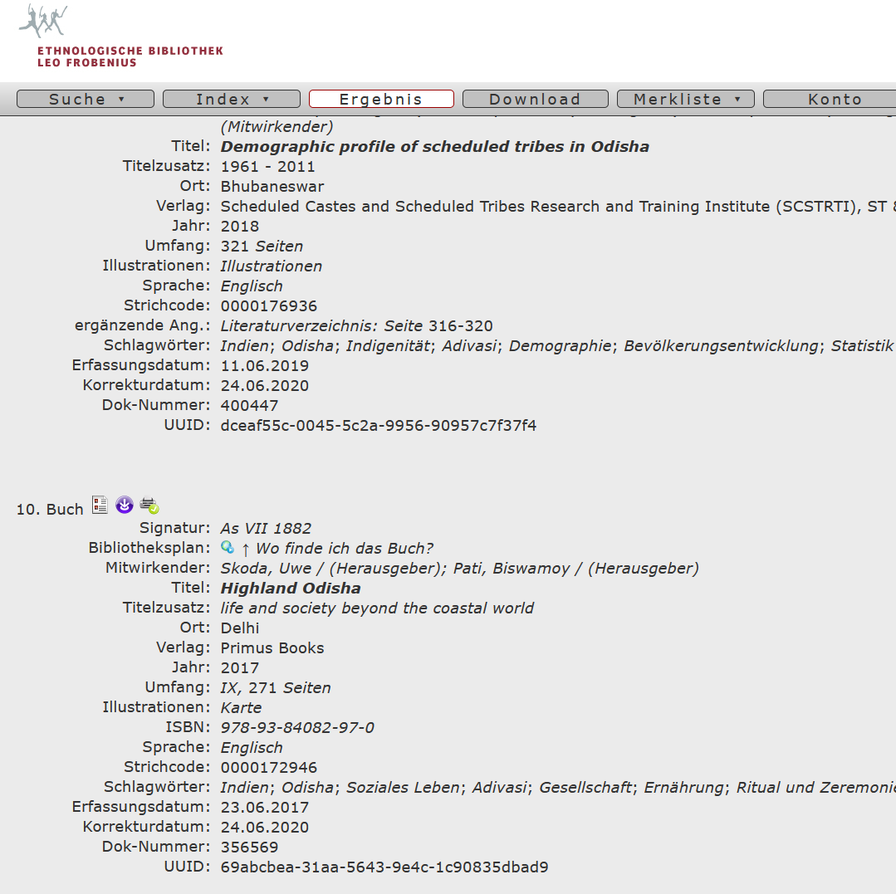
Here you will find a selection of ethnographies and collective works written by the researchers represented in the Middle-India Archive.
Monographs
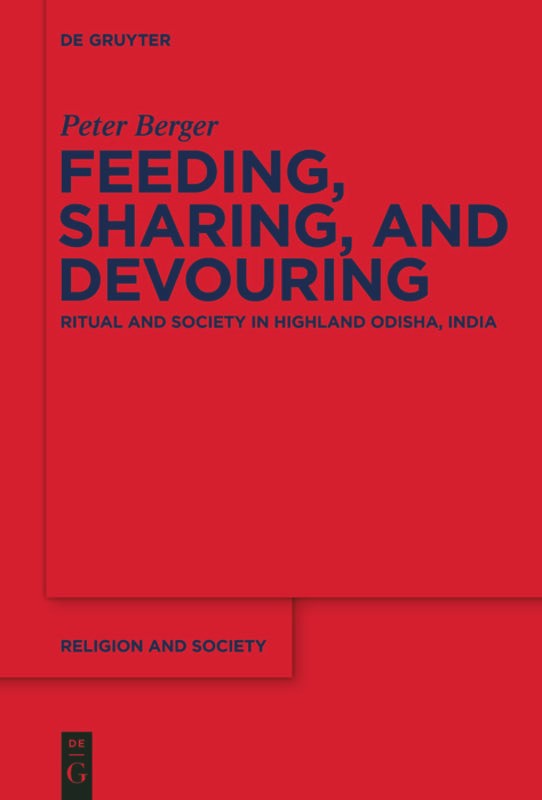
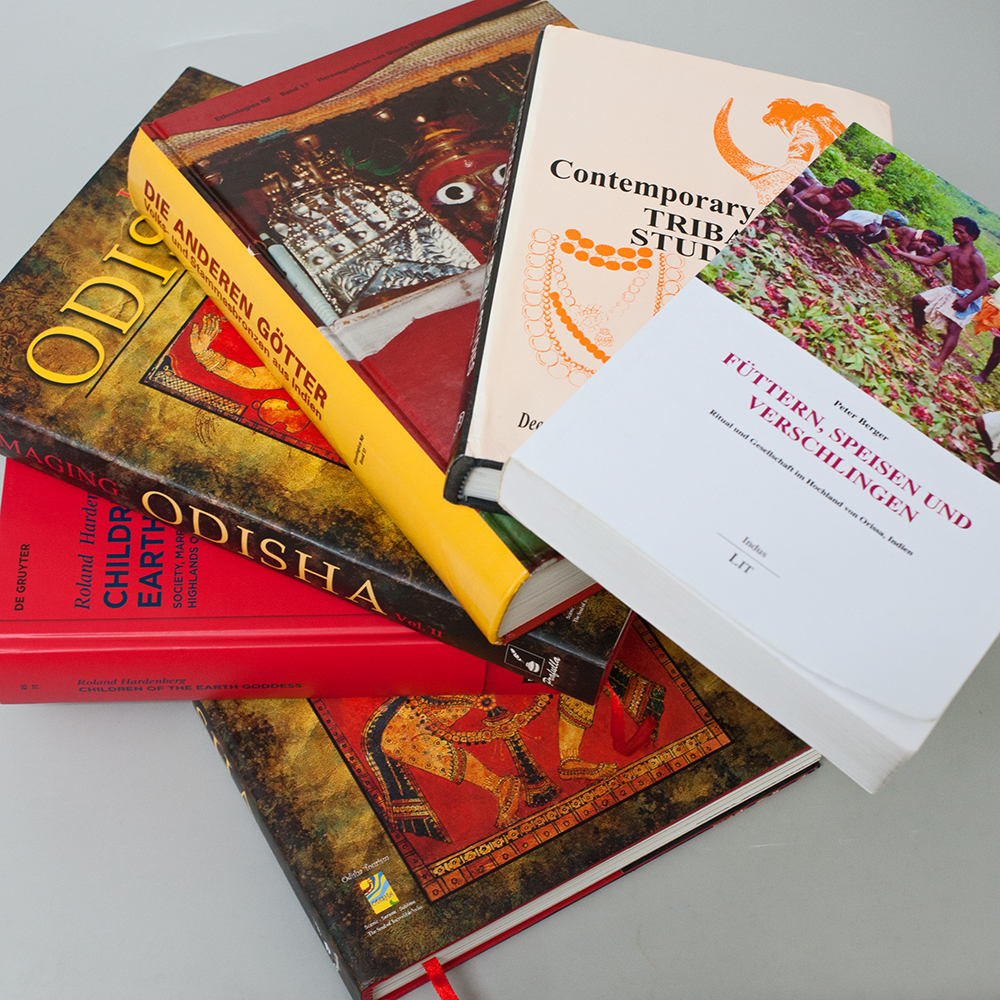
Berger, Peter (2015): Feeding, sharing and sevouring: ritual and society in highland Odisha, India. (Religion and society; Vol. 59). Berlin, Boston: De Gruyter.
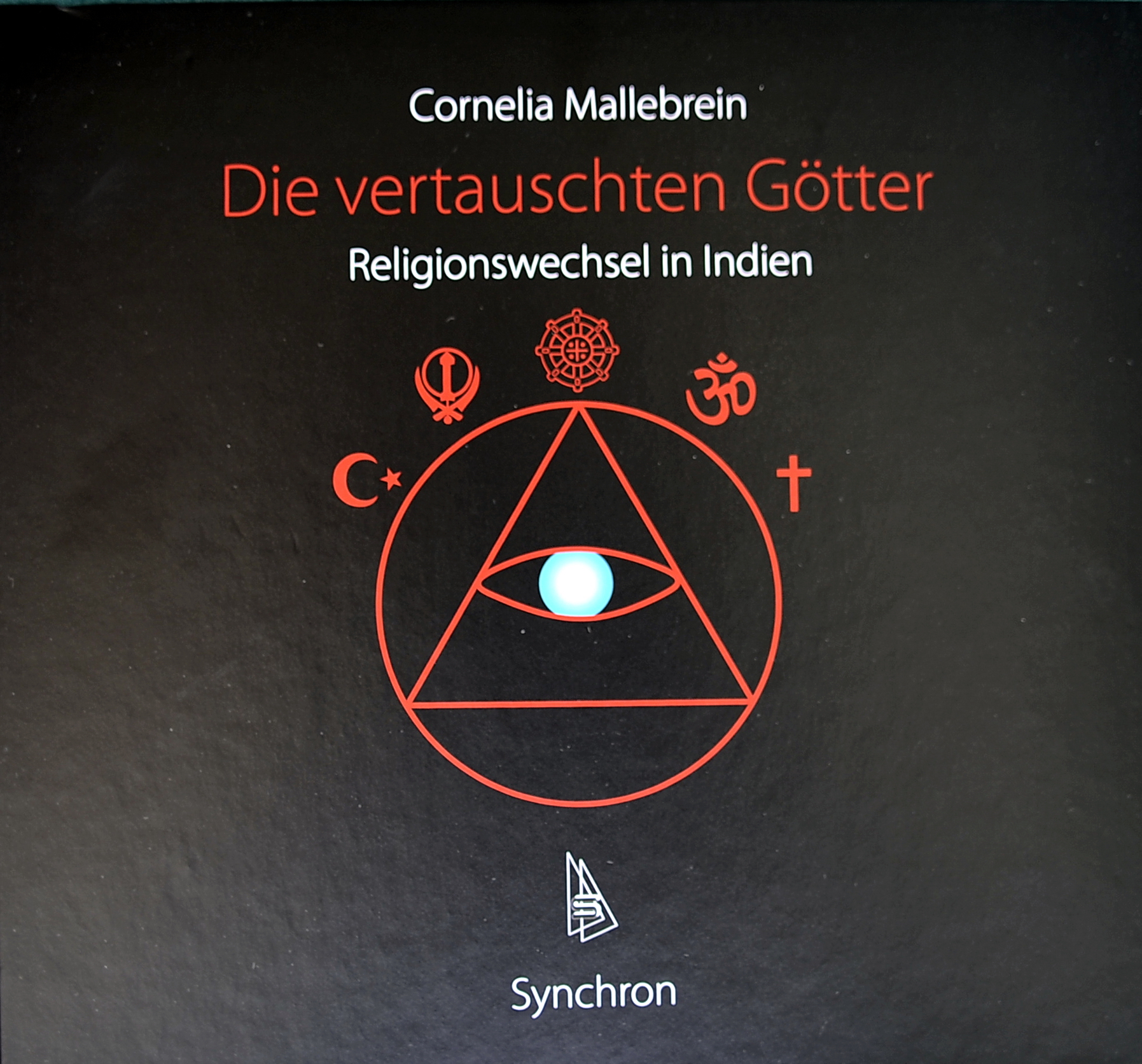
Mallebrein, Cornelia (2011): Die vertauschten Götter. Religionswechsel in Indien. Heidelberg: Synchron Verlag.
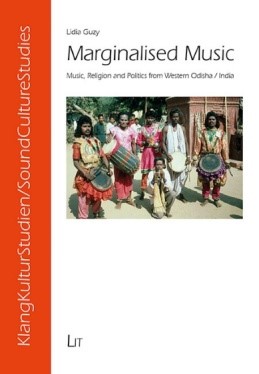
Guzy, Lidia (2013): Marginalised Music. Music, Religion and Politics from Western Orissa / India. Bern, Berlin: Lit Verlag.
Hardenberg, Roland (2018): Children of the earth goddess: society, marriage, and sacrifice in the highlands of Orissa. Berlin, Boston: De Gruyter.
Niggemeyer, Hermann (1964): Kuttia Kond. Dschungel-Bauern in Orissa. Haar bei München: Renner.
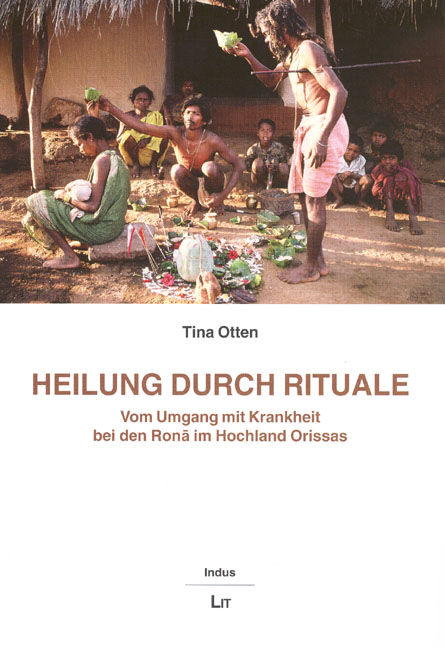
Otten, Tina (2006): Heilung durch Rituale. Vom Umgang mit Krankheit bei den Rona im Hochland Orissas. Bern, Berlin: Lit Verlag.
Pfeffer, Georg (1982): Status and affinity in Middle India. Steiner, Wiesbaden.
Reichel, Eva (2020): The Ho – Living in a world of plenty. Of social cohesion and ritual friendship on the Chota Nagpur Plateau, India. Berlin, Boston: De Gruyter.
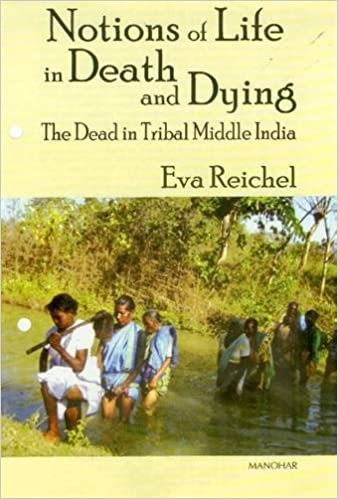
Reichel, Eva (2009): Notions of life in death and dying. The dead in tribal Middle India. New Delhi: Manohar.
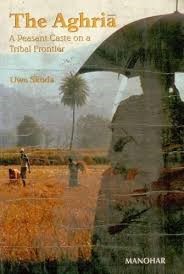
Skoda, Uwe (2005): The Aghria: a peasant caste on a tribal frontier. Delhi: Manohar.
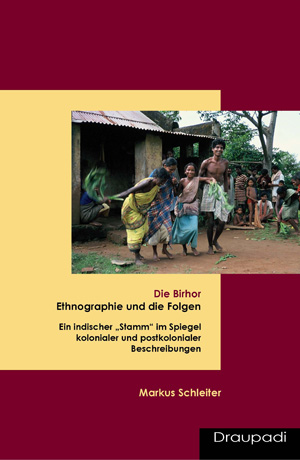
Schleiter, Markus (2008) Die Birhor: Ethnographie und die Folgen: Ein indischer „Stamm“ im Spiegel kolonialer und postkolonialer Beschreibungen. Heidelberg: Draupadi.
Schulte-Droesch, Lea (2018): Making place through ritual. Land, Environment and Region among the Santal of Central India. Berlin, Boston: De Gruyter.
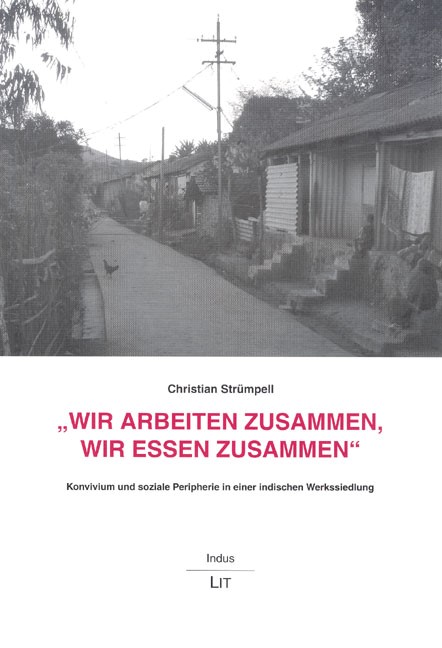
Strümpell, Christian (2004) Wir arbeiten zusammen, wir essen zusammen. Konvivium und soziale Peripherie in einer indischen Werksiedlung. Münster: LIT-Verlag.
Anthologies
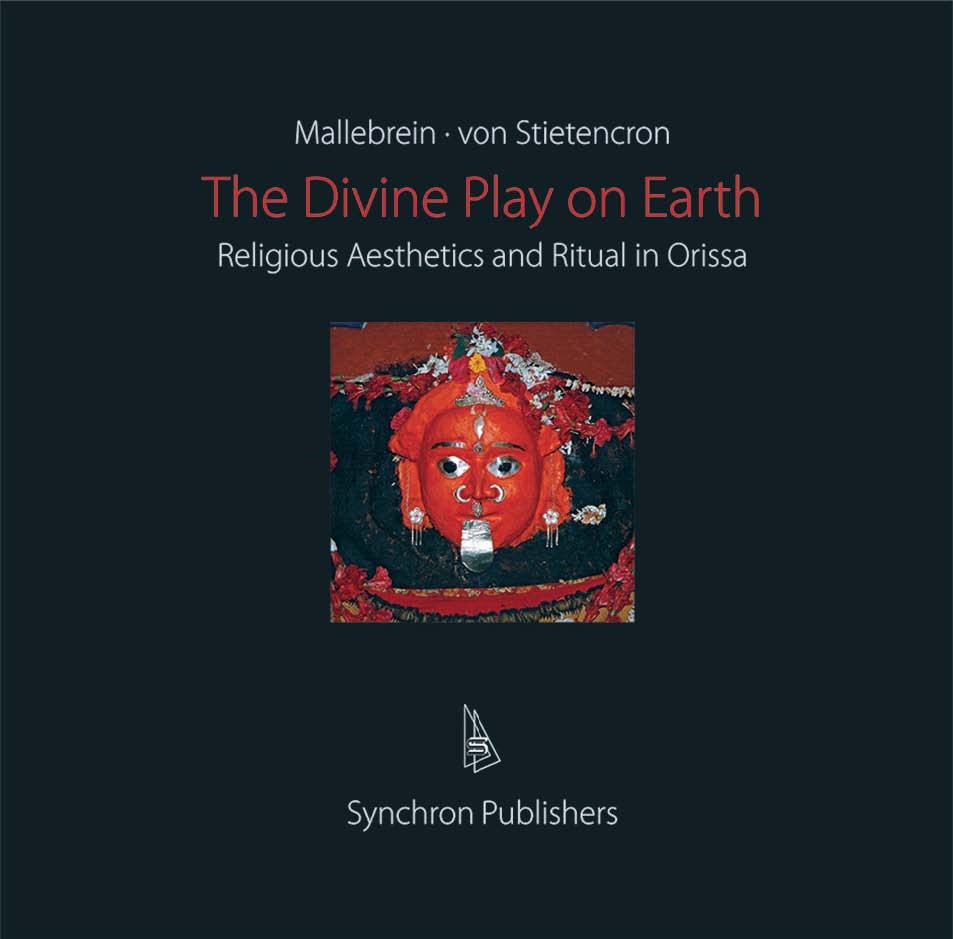
Cornelia Mallebrein together with Heinrich von Stietencron (2008): The Divine Play on Earth - Religious Aesthetics and Ritual in Orissa. Heidelberg: Synchron Publishers.
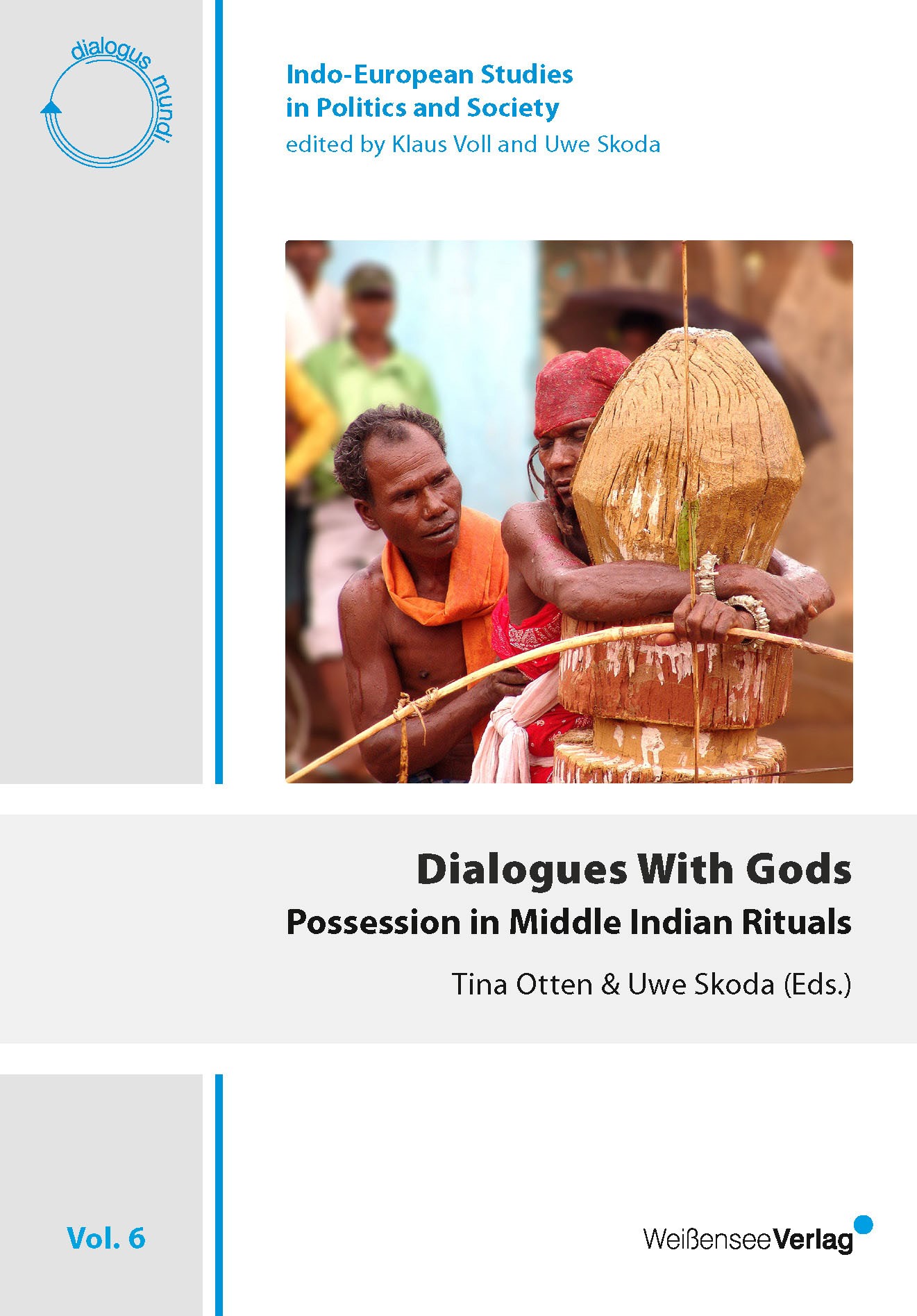
Tina Otten together with Uwe Skoda (2014): Dialogues With Gods: Possession in Middle Indian Rituals (Indo-European Studies in Politics and Society, Vol. 6). Berlin: Weissensee Verlag.
About the Project
The database of the Middle-India Archive sees itself as a platform for ethnological and indological research on this region. This platform shall grow in the course of time by integrating further persons, regions and topics. Central India in the broadest sense of the word means the entire territory of the Eastern Ghats. In the current development phase, research on the Odisha highlands within this large region will initially (but not exclusively) be covered, which has emerged from research projects at German universities. Two research personalities are particularly central in this context, because they have laid the foundations for much further research: Dr. Hermann Niggemeyer, who worked at the Frobenius Institute in Frankfurt am Main, and Prof. Dr. Georg Pfeffer, who worked at the University of Heidelberg and later at the Free University of Berlin. Both have done pioneering work in Odisha and their research and teaching has inspired many younger colleagues whose work is also represented in this Middle-India Archive. The platform is intended to provide information about the various research projects, offer literature references, provide databases for photography, film and material culture, and create a forum for discussion. The Middle-India Archive is affiliated to the Frobenius-Institute, which is continuously expanding and maintaining this database, has its own archives for written legacies and objects, and has a department for the processing and preservation of films and photographs. In the course of time, the Middle-India Archive is also to become a platform for ethnological and indological research in the lowlands of Odisha as well as in neighboring states (especially Jharkhand, Chhattisgarh, Telangana and Andhra Pradesh).
 Photo: Frobenius-Institut