


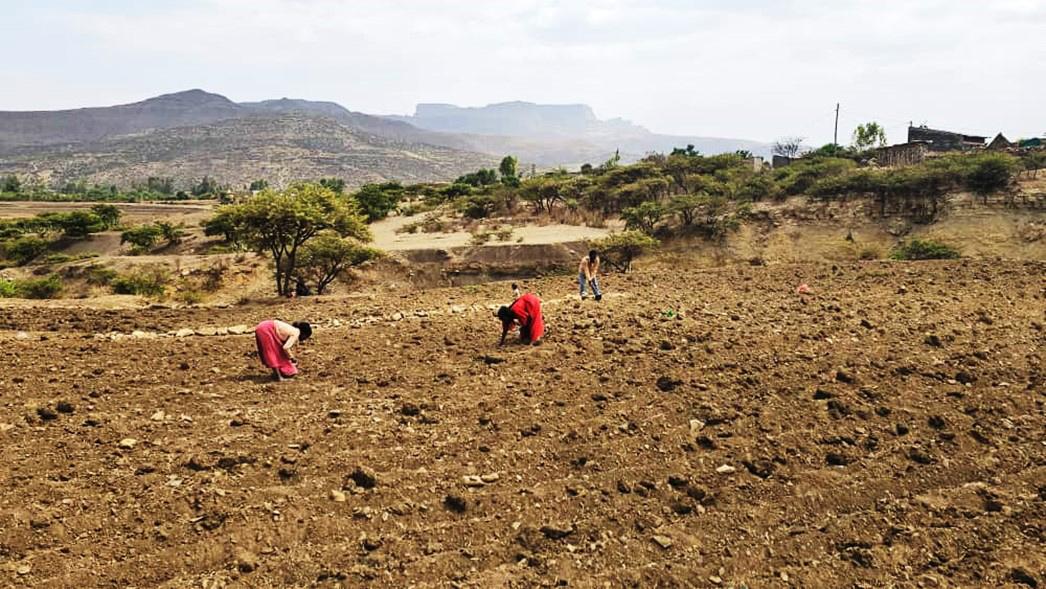
Project management: Prof. Dr. James Narendra Bondla (Frobenius-Institute)
Duration: November 2023 – December 2025
Funding: Gerda Henkel Foundation
Teilprojekt des SFB 1070 RessourcenKulturen (Tübingen); Förderzeitraum: Oktober 2013 - Juni 2017
Projektleitung: Prof. Dr. Roland Hardenberg;
Projektmitarbeiterinnen: Yanti Hölzchen, Katharina Müller, Lisa Züfle
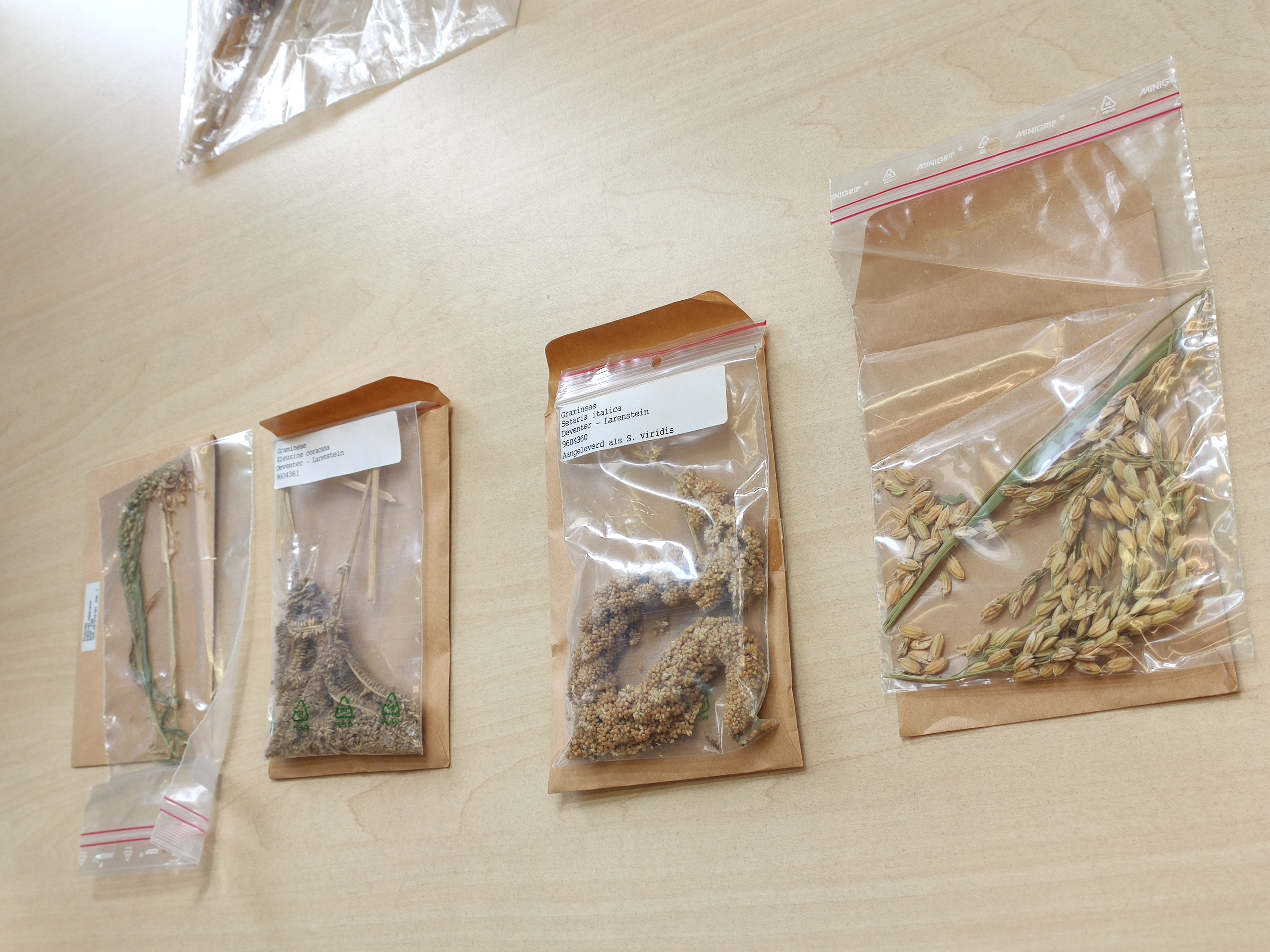
Project Management: Prof. Dr. Roland Hardenberg
Project staff: Shilanjani Bhattacharya, Bijayini Mohanty
Funding period: January 2021 - December 2023
Funding: German Research Foundation
Project duration: 1. September 2014 - 31. August 2017
Head of project: Prof. Dr. Karl-Heinz Kohl, staff: Dr. Sophia Thubauville, Dr. Sabine Dinslage, Kim Glück M.A.

Project management: Prof. Dr. Roland Hardenberg
Project staff: Carlos Magnavita
Duration: January 2025 – September 2025
Funding: Hahn-Hissink Frobenius Foundation
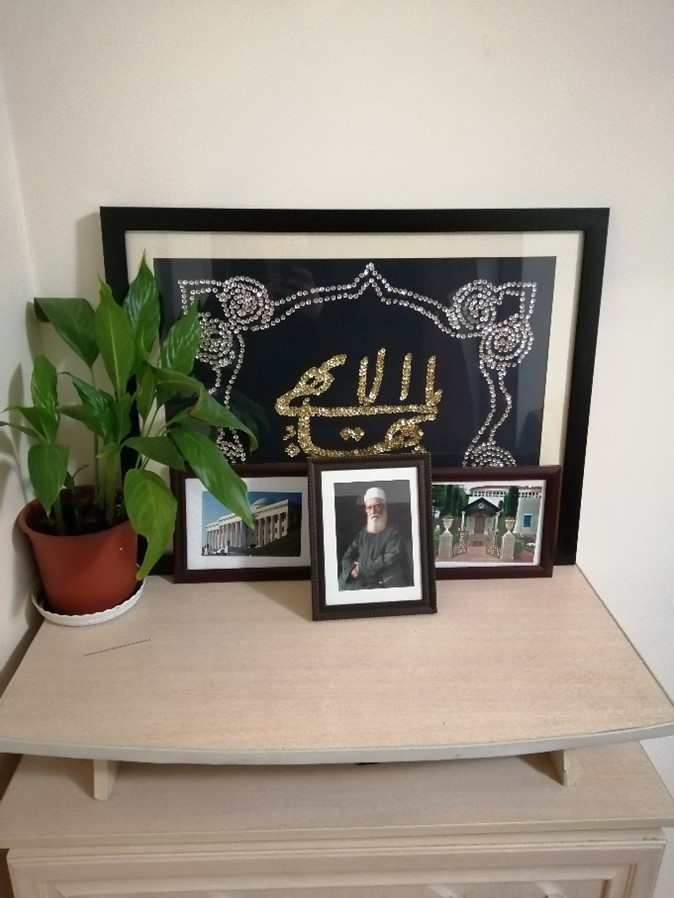
Project management: Jonah Neuenhaus
Supervision: Prof. Dr. Roland Hardenberg, PD Dr. Susanne Fehlings
Duration: November 2020 – April 2026
Funding: German Academic Exchange Service (September 2021–September 2022; February 2024–February 2026)
Project initiative in the context of the research field "The historicity of normative rules" of the excellence cluster "The formation of normative rules" at the Goethe University, Frankfurt am Main.
Project leader: Prof Mamadou Diawara.
From April 2008 support from the Cluster was made available for the carrying out of this project.
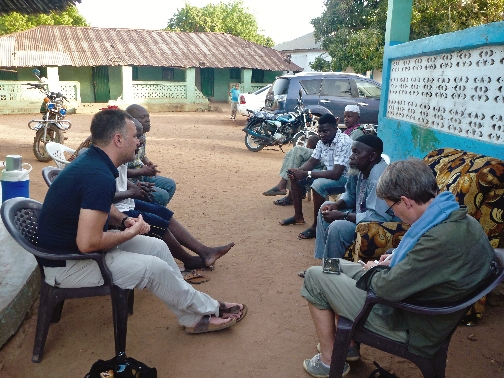 Photo: Nikolas Gestrich
Project Staff: Esther Morgenthal (University of Hamburg), Søren Feldborg Pedersen
Funding duration: April 2019 – May 2026
Funding: German Research Foundation (DFG), Priority Programme "Entangled Africa"
 Photo: Sophia ThubauvilleFunding: German Research Foundation (DFG)
Project duration: April 2021 – March 2024
Directed by: Dr. Sophia Thubauville (Frankfurt am Main), Dr. Elias Alemu (Hawassa)
 Project Management: Prof. Dr. Martin Bartelheim (Institute for Prehistory and Early History, University of Tübingen), Prof. Dr. Roland Hardenberg (Frobenius Institute at Goethe University)
Project staff: Manuel Respondek, Elene Revert Frances
Duration: July 2021 - June 2025
Funding: DFG within the framework of the CRC 1070 „RessourcenKulturen“
Project partners: Universidad de Sevilla, Universidad de Huelva, Parco Minero Riotinto, German Archaeological Institute Madrid
Funding volume: approx. 470,000 euros
Forschungsprojekt im Rahmen des Exzellenzclusters Die Herausbildung normativer Ordnungen, Förderzeitraum: 2012-2017
Projektleiter: Professor Dr. Karl-Heinz Kohl. Wissenschaftliche Mitarbeiterin: Sarah Fründt M.A.
Wie reagieren ethnologische und archäologische Museen auf die Repatriierungsforderungen außereuropäischer Staaten? Welche Objekte werden tatsächlich zurückgegeben und mit welchen Argumenten wird in anderen Fällen die Restitution verweigert? Wenig bekannt ist bis heute auch, was aus den repatriierten Artefakten nach ihrer erfolgten Rückgabe geworden ist. In diesem Zusammenhang wird vor allem zu überprüfen sein, ob und inwieweit sich der politisch-symbolische Wert dieser als wesentlicher Bestandteil des eigenen Kulturerbes angesehenen Gegenstände ändert, sobald ihre Restitution erfolgt ist.
More Articles …
- Der Wunsch nach einem ‚guten Leben’: Strategien zur Sicherung des Lebensunterhalts im Iran und in Deutschland
- Leo Frobenius: eine “histoire croisée“ der Entstehung und Aneignung von ethnologischen Wissen in Deutschland und Frankreich
- ResourceCultures of Rice and Wheat in South and Central Asia. Religious and (agro-) economic dimensions of cereals
- The Social and Cultural Dimensions of Resources: Iranian and German Perspectives
- Salvage Crops, “Savage” People: A Comparative Anthropological and Archaeobotanical Investigation of Millet Assemblages in India
- Die Integration von Handelsgütern überseeischer Provenienz in matrimoniale Tauschzyklen: Ethnographische Fallbeispiele
- The German Ethnographic Expeditions to the Kimberley, Northwest Australia
- The Lake Chad Region as a Crossroads: first archaeological and oral historical investigations into early Kanem-Borno and its intra-African connections